
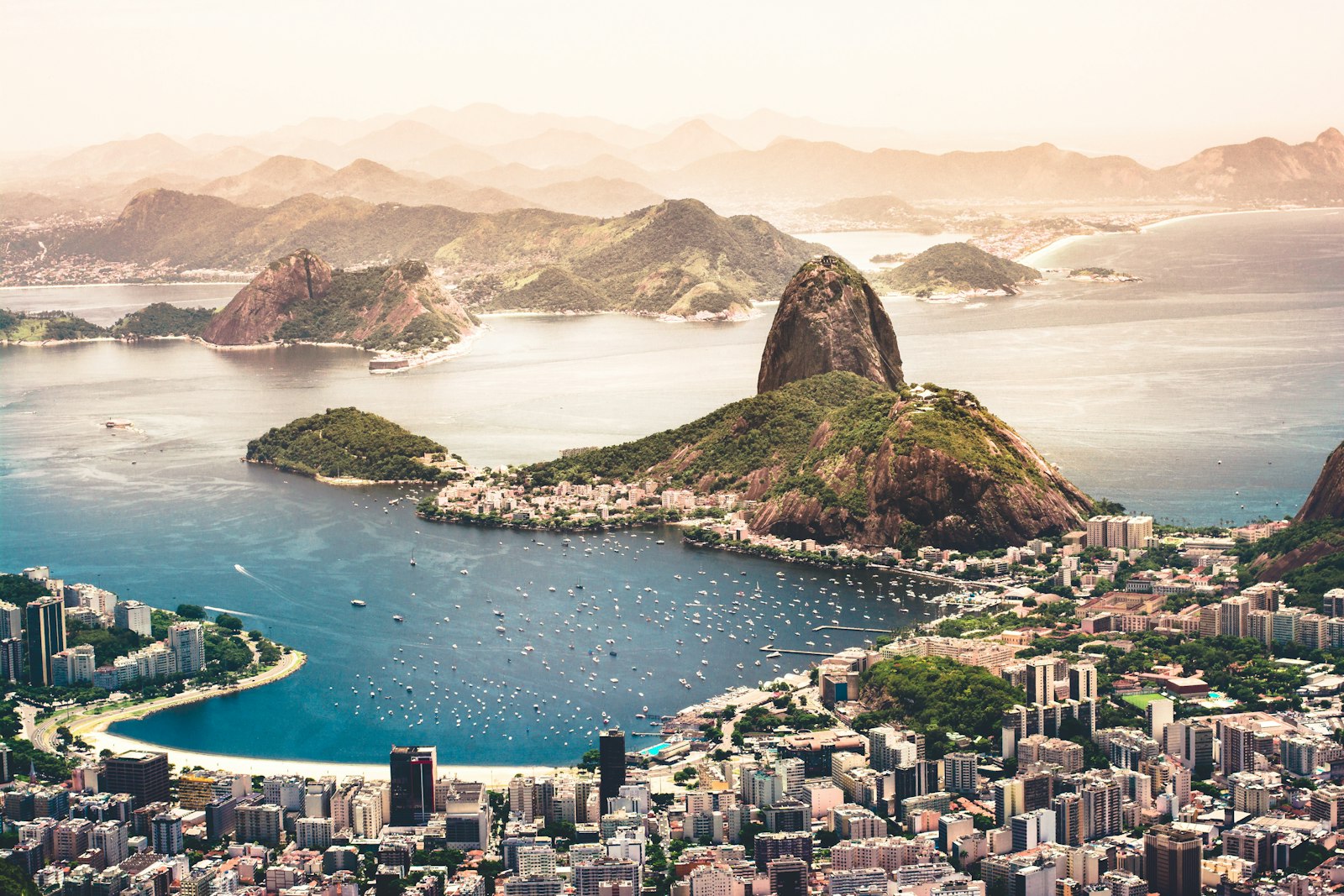
Understanding Ilhabela’s Maritime Microclimate
Rising dramatically from the Atlantic Ocean just off the northern coast of São Paulo state, Ilhabela is a mountainous sanctuary carpeted in dense, primordial Atlantic Forest. This striking topography dictates much of the island's weather. High ridges capture moisture-laden oceanic breezes, creating sudden microclimates where one coastal cove may bathe in sunshine while mountain summits gather mist.
Rain is an essential architect of the island's celebrated landscape, nourishing hundreds of crystalline waterfalls and preserving its emerald canopy. While precipitation occurs throughout the year, its character shifts distinctly between the seasons, moving from heavy, sun-relieving summer downpours to crisp, dry winter afternoons. Understanding these coastal rhythms is fundamental to curating a seamless itinerary.
The Golden Window: Autumn and Late Spring
For travellers seeking tranquil beaches, clear sailing conditions, and an unhurried atmosphere, the shoulder months represent the island at its most refined. April and May, in particular, offer an exceptional respite. During this late autumn window, the summer humidity subsides, rainfall decreases notably, and the ocean retains the gentle warmth accumulated over preceding months.
Late September through November offers a similar grace, as the island emerges from the cooler winter. Temperatures rise gradually, the lush reserves burst with native blooms, and the shores remain blissfully uncrowded outside of Brazilian national holiday weekends. During these transitional months, dining along the historical centre of Vila is relaxed, private boat charters are unencumbered, and hiking trails remain comfortably temperate.
Summer Vibrancy and Tropical Rains: December to March
Summer brings unmistakable vitality to Ilhabela. Between late December and Carnival (typically in February or early March), the island becomes a premier getaway for São Paulo’s elite. Beach clubs hum with music, sailing yachts anchor in sheltered anchorages such as Praia da Fome and Saco do Eustáquio, and sea temperatures are at their most inviting for swimming and diving.
This festive atmosphere, however, coincides with the wettest period of the year. Summer rainfall typically manifests as intense afternoon or evening downpours (*pancadas de chuva*), which clear quickly but can temporarily disrupt outdoor pursuits. Furthermore, traffic crossing via the vehicular ferry from São Sebastião peaks substantially during holidays, requiring thoughtful timing and pre-arranged private boat transfers to ensure seamless transit.
Winter Solitude and Maritime Heritage: June to August
Winter in Ilhabela delivers the driest skies and coolest temperatures of the year. Daylight hours are characterized by crisp, blue horizons and mild warmth, though evenings can turn cool enough to warrant light cashmere. For hikers exploring the protected interior of the Ilhabela State Park, the drier conditions provide the most stable ground and significantly lower insect activity.
July is particularly prestigious on the regional calendar due to the Semana Internacional de Vela de Ilhabela (International Sailing Week). As South America's premier sailing regatta, it fills the São Sebastião channel with hundreds of monohulls and classic vessels, imparting a sophisticated, nautical atmosphere to the entire coastline. While ocean swimming is cooler during these months, the maritime spectacle and crystalline winter light offer unique appeal.
Month-by-Month Considerations
Choosing when to arrive depends on whether your priority is ocean swimming, festive social scenes, tranquil nature exploration, or world-class yachting. Because coastal weather systems can shift rapidly along the Serra do Mar, conditions vary year to year, and ferry schedules or trail access should always be reconfirmed ahead of travel.
The following overview outlines the general rhythm of the year across the archipelago:
- January & February: Peak summer vibrancy, warm seas, frequent afternoon thunderstorms, and high domestic travel volumes.
- March & April: Falling crowd numbers, lingering water warmth, and diminishing rain; one of the most balanced periods for quiet leisure.
- May & June: Clear skies, significantly lower humidity, and calm waters ideal for coastal exploration and private cruising.
- July & August: The driest months of the year, marked by cooler evenings, crisp sailing winds, and the vibrant International Sailing Week in July.
- September & October: Spring emergence with warming temperatures, active birdlife, and quiet beaches, interspersed with occasional frontal rain.
- November & December: Early summer warmth and blooming coastal flora; peaceful early in the season before the late-December holiday rush.
Questions answered
Planning notes
When is the sea warmest for swimming in Ilhabela?
Water temperatures peak during the southern hemisphere summer, between January and April, making this the most comfortable period for swimming, snorkelling, and open-water activities.
How can travellers avoid long delays on the ferry from the mainland?
The vehicular ferry between São Sebastião and Ilhabela experiences significant queues on summer weekends and national holidays. Travellers can pre-book priority vehicle boarding through official booking portals, or bypass the vehicular crossing entirely by arranging private boat charters or helicopter transfers directly to the island.
Are biting insects a seasonal concern on Ilhabela?
Ilhabela is well known for the *borrachudo*, a small biting black fly prevalent near freshwater streams and nature trails. They are present year-round but tend to be less active during the drier, cooler winter months of June through August. Protective clothing and oil-based repellents are recommended at all times.