
Understanding Rio’s Coastal Microclimates
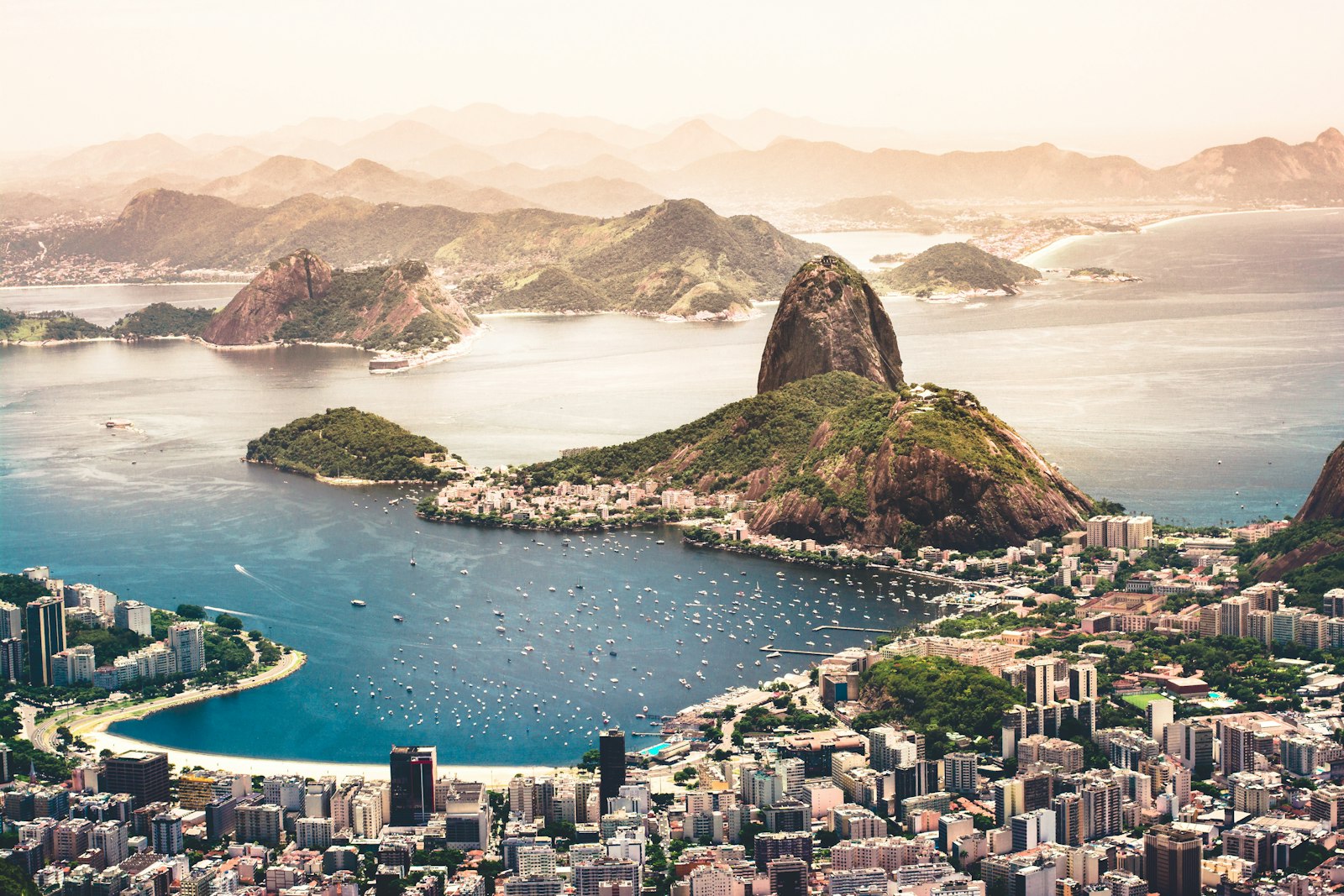
Rio de Janeiro’s climate is defined by its dramatic topography, pressed between the Atlantic Ocean and the sheer granite peaks of the Tijuca Forest. This geography produces distinct microclimates across the Zona Sul, from the breezy shoreline of Ipanema and Leblon to the sheltered bays beneath Sugarloaf Mountain. Choosing when to visit depends largely on whether one prioritises festive civic energy or clearer skies and moderate heat.
While seasonal temperature shifts are modest compared to northern latitudes, the variations in humidity, rainfall, and city pace are pronounced. Because coastal weather systems can shift quickly against the mountain escarpment, travellers should expect local conditions to vary and consult verified forecasts before embarking on open-air excursions.
Summer Energy and Celebrations: December to March
Summer in the Southern Hemisphere brings intense warmth, elevated humidity, and frequent late-afternoon downpours known locally as pancadas de chuva. These convective rains are usually brief, clearing the air for pleasant tropical evenings. This is Rio’s most kinetic period, framed by the white-attire gatherings of Réveillon on Copacabana Beach and the world-famous spectacle of Carnival.
As the primary holiday season for both domestic and international travellers, the city's iconic beaches and viewpoints operate at high capacity. Visiting during these months rewards those who enjoy vibrant street life and are prepared to schedule private sightseeing during the early morning hours to avoid peak heat and congestion.
- December and January: High temperatures, celebratory atmosphere, and bustling beaches; ideal for travellers seeking social energy.
- February and March: The focal point for Carnival celebrations, featuring Sambadrome parades alongside extensive street closures and lively neighbourhood gatherings.
The Drier Months: April to August
Between May and August, Atlantic high-pressure systems bring noticeably drier air and consistent sunshine. Daytime temperatures typically settle into the mid-twenties Celsius, offering comfortable conditions for wandering the Botanical Garden, ascending Corcovado, or exploring the historic mansions of Santa Teresa without oppressive humidity.
Rainfall is historically at its lowest during these winter months. While ocean temperatures cool slightly and wave swells increase, the skies remain remarkably clear, yielding crisp panoramic vistas over Guanabara Bay. Evenings are pleasantly mild, requiring little more than a light linen layer for open-air dining.
- May to July: The driest stretch of the year, optimal for architecture walks, panoramic photography, and hiking trails.
- August: Crisp coastal light and relaxed beach culture, accompanied by fewer crowds at premier cultural institutions.
Spring Transitions: September to November
Spring represents an appealing transition across the city. As temperatures climb back toward the high twenties Celsius, the Atlantic rainforest canopy flushes green and city parks burst into bloom. October and November offer a balanced travel window: beachfront life resumes in full force, yet the high humidity of midsummer has not yet taken hold.
Precipitation begins to increase gradually during this period, typically presenting as passing showers rather than persistent overcast skies. For travellers seeking unhurried days along the sands of the Zona Sul paired with accessible dining reservations, spring provides a calm and sophisticated alternative to the high-season rush.
A Month-by-Month Guide for the Discerning Traveller
Selecting the ideal travel window requires balancing historical weather patterns with your personal tolerance for crowds and heat. While seasonal tendencies offer a dependable baseline, regional patterns fluctuate from year to year. Important event dates—most notably Carnival, which follows the liturgical calendar—must always be confirmed well in advance.
Whether your ideal journey centres on the glamorous beach culture of January or the crisp, contemplative vistas of July, Rio de Janeiro offers distinct rewards in every season when itineraries are thoughtfully paced.
- January to March: Tropical heat, warm ocean waters, and premier cultural events; requires early booking for premium private arrangements.
- April to June: Declining precipitation, comfortable temperatures, and excellent visibility across major monuments.
- July to September: Mildest temperatures and lowest rainfall; superb for hiking, culture, and uncrowded leisure.
- October to December: Warmer days, lush landscapes, and building anticipation ahead of the end-of-year holidays.
Questions answered
Planning notes
When is the best time to visit Rio de Janeiro for clear views from Christ the Redeemer and Sugarloaf?
The winter months, particularly from May to August, historically bring the lowest rainfall and clearest skies. This period provides the best conditions for unobstructed panoramic views from the city's granite peaks.
Is the ocean suitable for swimming throughout the year?
Water temperatures remain swimmable year-round, peaking in warmth between January and March. During winter (June to August), the Atlantic cools slightly and currents can be stronger, though calm days still permit ocean swimming.
When should arrangements be made for visiting during Carnival?
Carnival moves annually according to the liturgical calendar, occurring in either February or early March. Because it is the city's peak travel period, accommodation and private logistics should be secured several months in advance. Always confirm specific dates and local schedules before finalising travel plans.