
The Architecture of Terroir: Minas Gerais and the Mountain Harvests
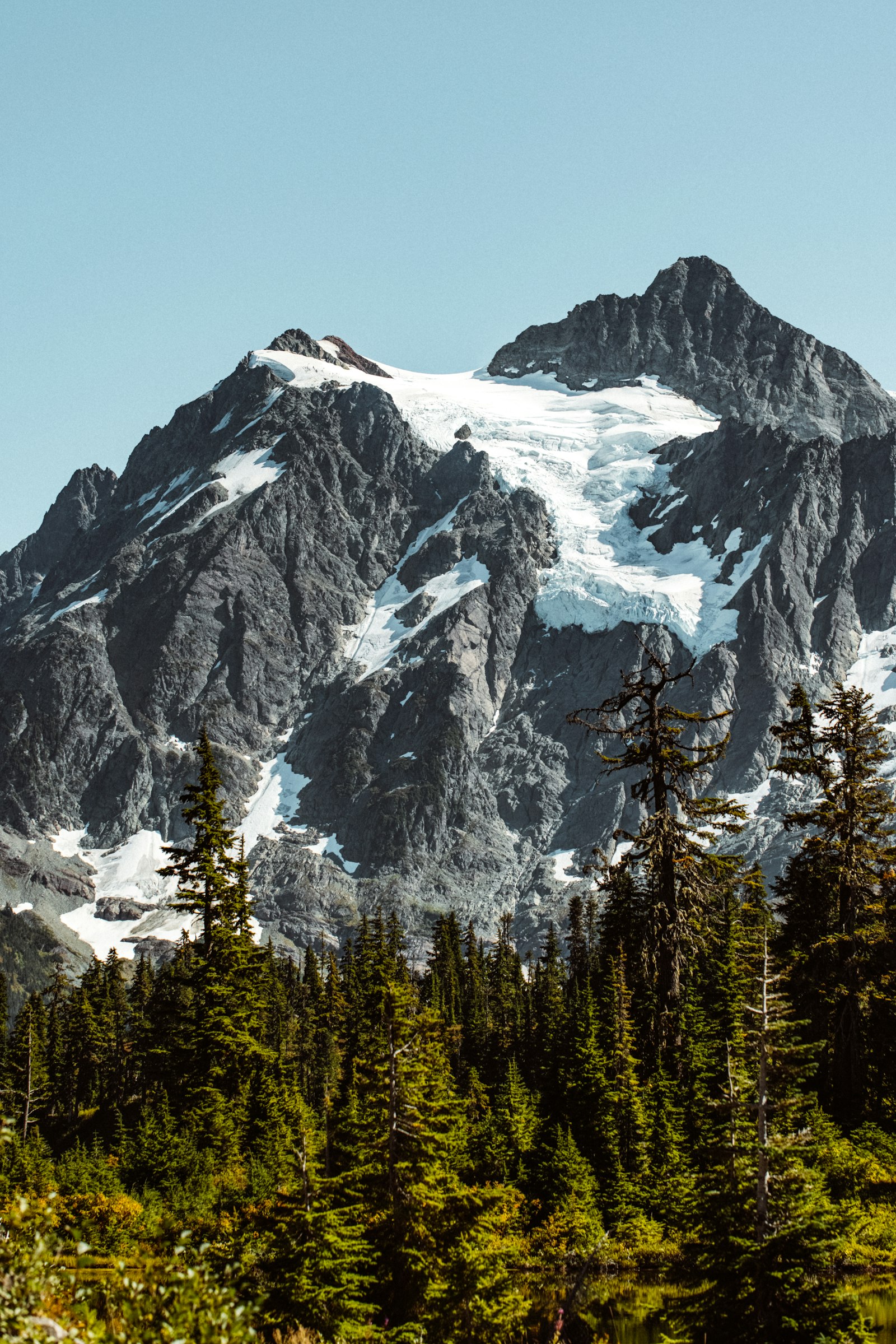
For generations, Brazil was defined simply as the world’s largest producer of volume coffee, supplying global markets from vast, undulating plains. In recent decades, however, discerning producers have turned their focus decisively toward high-altitude, terroir-driven arabicas. In the state of Minas Gerais, particularly within the Serra da Mantiqueira, elevation and microclimate converge to produce lots of remarkable nuance. Here, granite peaks catch the Atlantic mist, creating cool nights and sunny, temperate days that slow bean maturation and concentrate natural sugars.
Today, micro-regions such as Mantiqueira de Minas and Cerrado Mineiro hold protected geographical indications, reflecting rigorous standards of origin and cultivation. Varieties like Yellow Bourbon, Catuaí, and native cultivars like Arara are hand-picked along steep gradients that resist mechanization. Rather than harsh, bitter profiles, these mountain crops yield velvety cups characterized by notes of dried fruit, yellow plum, sugarcane, and floral brightness.
- Mantiqueira de Minas: Mountain terrain yielding bright citric acidity and dense sweetness.
- Cerrado Mineiro: Defined by distinct wet summers and dry winters, favoring uniform bean drying and chocolate notes.
- Matas de Minas: An artisanal landscape of small family properties set amidst preserved Atlantic Forest.
The Urban Scene: São Paulo’s Specialty Laboratories
In São Paulo, the pulse of Brazilian coffee culture shifts from agricultural stewardship to meticulous extraction. Within neighborhoods like Pinheiros, Jardins, and Santa Cecília, a sophisticated generation of independent roasters and certified Q-graders treat Brazilian beans with the precision of oenologists. Sleek, minimalist tasting rooms stand in striking contrast to the city's historic coffee exchange, reflecting an aesthetic that mirrors Tokyo or Copenhagen while remaining unmistakably Paulistano.
These urban sanctuaries serve as testing grounds for the country’s most experimental harvests. Baristas guide guests through comparative flights that highlight anaerobic ferments, natural honey processes, and washed micro-lots sourced directly from regional producers. The focus here is deeply educational, designed for a palate interested in understanding how variable soil chemistry and post-harvest drying methodologies translate into the cup.
The Daily Liturgy: From Cafezinho to Precision Brewing
Long before the third-wave specialty movement gained global traction, the ritual of the cafezinho formed the social spine of Brazil. Traditionally brewed using a simple cotton flannel filter (the coador de pano), this dark, concentrated cup is universally offered upon entering a private home, an atelier, or a rural fazenda. It remains an emblem of unpretentious hospitality, served piping hot and historically softened with raw sugar.
In modern spaces, this foundational custom has not disappeared; rather, it has been elevated. Discerning cafes now prepare traditional filter extractions alongside Japanese pour-over drippers and precision siphons, demonstrating how historic brewing methods retain their charm when paired with clean, single-origin lots. It is a dual culture where everyday warmth meets technical sophistication.
Echoes of the Past: Heritage Fazendas of the Paraíba Valley
The cultural narrative of Brazilian coffee remains inseparable from the nineteenth-century estates of the Vale do Paraíba, situated between Rio de Janeiro and São Paulo. During the height of the Empire, this lush river valley generated immense wealth, funding classical theaters, grand public works, and stately private residences. While environmental exhaustion eventually pushed primary production westward, the architectural legacy of that era endures.
A selection of historic fazendas has been meticulously restored, retaining their neoclassic courtyards, stone waterwheels, and expansive brick terreiros where cherries were once dried under the sun. Several properties have embraced regenerative agriculture and organic agroforestry, replanting native Atlantic Forest corridors while producing small, premium crops beneath the shade of indigenous canopy trees.
Designing a Field Journey: Seasonality and Practicalities
A rewarding exploration of Brazil's interior coffee regions requires deliberate timing and planning. The primary harvest season occurs during the dry winter months, generally from May to September. Visiting during this period offers travelers the opportunity to witness picking on the mountain slopes and observe the intricate processes of wet milling and terrace drying firsthand.
Because many of Brazil’s finest estates are working private farms rather than commercial hospitality ventures, access typically demands advanced arrangements and regional coordination. Road surfaces across mountain passes can vary considerably depending on local weather, making private chauffeured four-wheel-drive vehicles advisable. Travelers should note that estate opening policies, access permissions, and seasonal schedules change; itineraries should be verified well in advance of departure.
- Target the May to August harvest window to observe active terrace drying and processing.
- Allow ample transit time between remote highland fazendas and major urban hubs.
- Confirm estate appointments directly prior to travel, as working harvests prioritize agricultural operations.
Questions answered
Planning notes
What is the optimal time of year to visit Brazil's coffee country?
The harvest window, which typically runs from May through September, is the most rewarding period to visit. During these dry winter months, estates are actively picking, processing, and drying cherries on the terraces, and highland weather is generally mild and clear.
Can travelers visit working coffee estates independently?
While some historical fazendas have public visiting structures, many of the finest specialty producers are working farms that do not maintain open public hours. Private visits must usually be arranged in advance, and itineraries should be confirmed directly, as estate access can change based on operational priorities.
Which Brazilian regions are recognized for producing the highest grade specialty coffee?
Mantiqueira de Minas, Sul de Minas, and Cerrado Mineiro in the state of Minas Gerais are globally renowned for premium arabica. Other exceptional terroirs include the Chapada Diamantina plateau in Bahia and the high-elevation volcanic mountains of the Caparaó region on the border of Minas Gerais and Espírito Santo.